

A professional website is an essential business tool, and its cost can range widely based on your needs. For a basic website, you might spend between $500 and $3,000, while more advanced sites could range from $3,000 to $50,000 or more. The price depends on factors like design complexity, features, and the expertise of the professionals you hire. Whether you’re looking to create a simple online presence or a feature-rich e-commerce platform, understanding these costs is crucial to making the right investment.
This guide will break down the key cost factors, including design versus development, content creation, e-commerce integration, and ongoing maintenance, helping you navigate your website budget with confidence. Let’s dive in and explore what each pricing tier entails so you can make the best decision for your business.
Factors Influencing the Cost of a Professional Website
Website costs vary widely based on the scope and complexity of your project. Here are the main factors that determine pricing:
- Design Complexity: A simple, template-based design costs significantly less than a fully custom layout. Custom designs require more time from designers and developers, which increases the overall price.
- Functionality and Features: Basic websites with a few static pages are less expensive than sites with advanced features like booking systems, membership portals, or custom integrations. The more functionality you need, the higher the cost.
- Number of Pages: A five-page website is quicker to build than a 50-page site. Each additional page requires design, content creation, and testing, all of which add to the final bill.
- Content Creation: If you need professional copywriting, photography, or video production, these services come at an additional cost. High-quality content is essential for engaging visitors and improving SEO, but it requires investment.
- E-Commerce Capabilities: Online stores require product catalogs, payment gateways, inventory management, and secure checkout processes. These features are more complex to implement and maintain, resulting in higher costs.
Cost Breakdown: Basic, Intermediate, and Advanced Websites
Here’s a breakdown of what you can expect to pay based on the type of website you need:
- Basic Website ($500 – $3,000):
A basic website typically includes:- 3-5 pages (Home, About, Services, Contact)
- Template-based design
- Mobile responsiveness
- Contact form
- Basic SEO setup
- 3-5 pages (Home, About, Services, Contact)
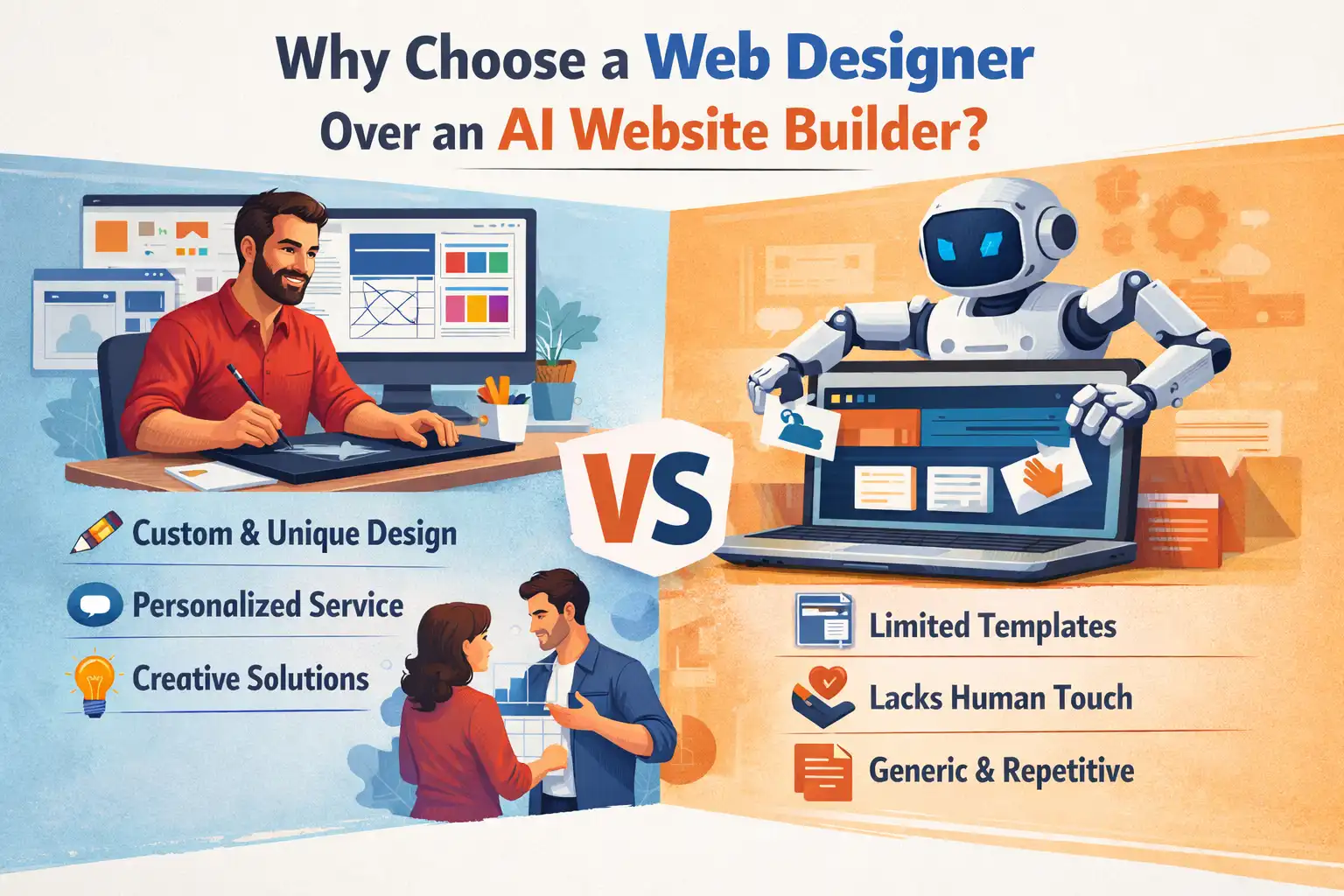
- This option is ideal for small businesses, startups, or individuals who need a simple online presence. You can work with a freelancer or use DIY platforms like Wix or Squarespace to keep costs low.
- Intermediate Website ($3,000 – $10,000):
An intermediate website offers more customization and functionality:- 10-20 pages
- Semi-custom or fully custom design
- Blog or news section
- Advanced forms (e.g., quote requests, lead capture)
- Enhanced SEO and analytics integration
- Basic e-commerce capabilities (for small product catalogs)
- 10-20 pages
- This is suitable for growing businesses that need a professional online presence with room for expansion. Freelancers or small agencies can handle projects at this level.
- Advanced Website ($10,000 – $50,000+):
Advanced websites are fully custom and feature-rich:- 20+ pages
- Custom design tailored to your brand
- Advanced functionality (e.g., membership portals, booking systems, custom integrations)
- Full e-commerce capabilities with inventory management and payment processing
- Ongoing support and maintenance plans
- Comprehensive SEO and marketing tools
- 20+ pages
- Large businesses, e-commerce platforms, and enterprises typically require this level of investment. Working with an experienced agency ensures high-quality results and ongoing support.
Additional Costs to Consider: Domain, Hosting, and Maintenance
Building a website is just the beginning. Here are ongoing costs you’ll need to budget for:
- Domain Registration ($10 – $50/year):
Your domain name is your website’s address (e.g., www.yourbusiness.com). Registering a domain is affordable, but premium or branded domains can cost more. - Web Hosting ($50 – $500/year):
Hosting stores your website’s files and makes them accessible online. Shared hosting is cheaper but offers limited resources. For high-traffic sites or e-commerce platforms, invest in dedicated or cloud hosting for better performance. - SSL Certificate ($0 – $200/year):
An SSL certificate encrypts data between your website and visitors, which is essential for security and SEO. Many hosting providers include free SSL certificates, but premium options are available for additional features. - Website Maintenance ($50 – $500/month):
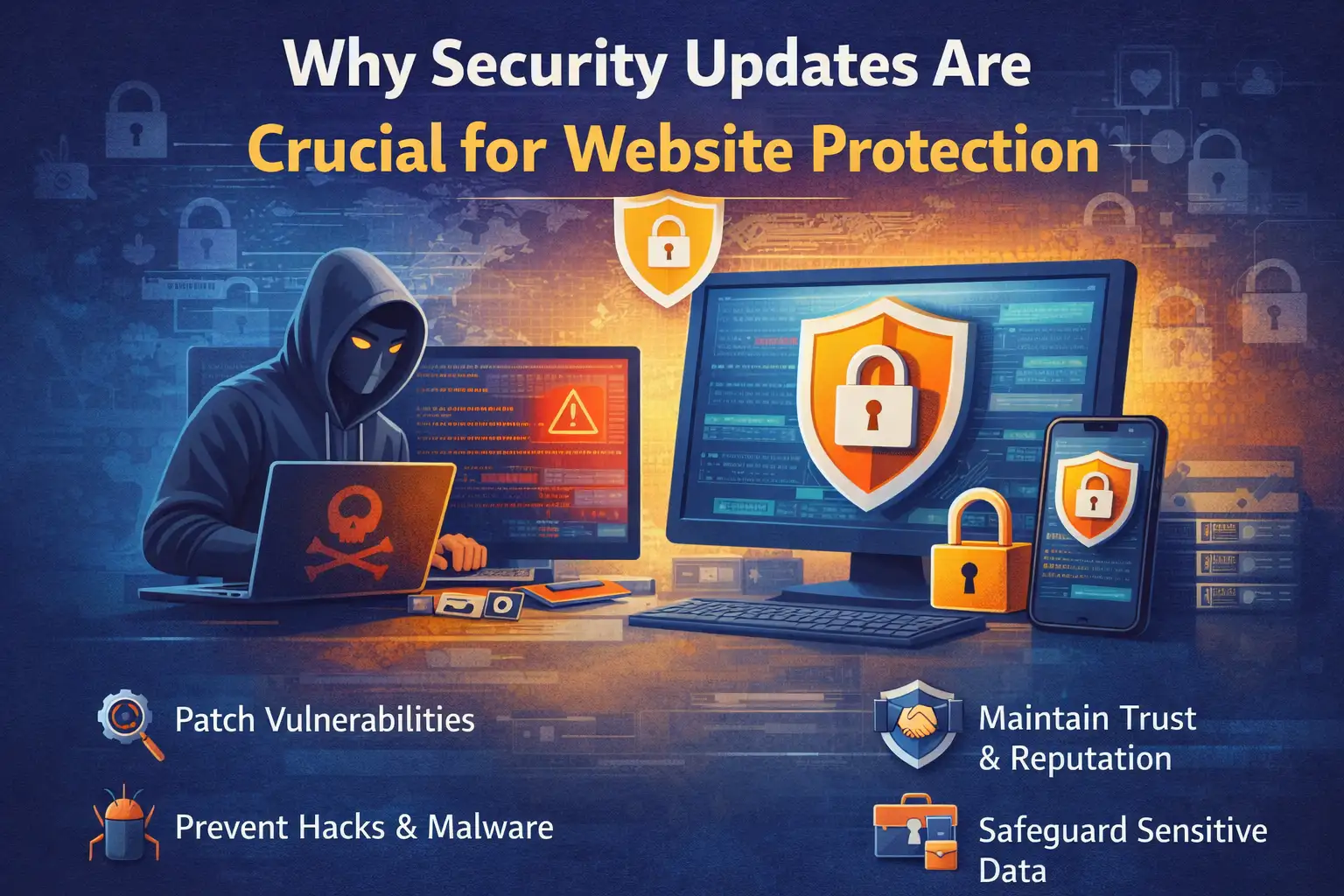
Websites require regular updates to stay secure and functional. Maintenance includes software updates, security monitoring, backups, and troubleshooting. You can handle this yourself or hire a professional to manage it for you. - Content Updates ($50 – $200/hour):
If you need to update your website regularly with new content, images, or features, budget for ongoing content management. Some businesses hire a retainer service to handle updates as needed.
How to Choose the Right Web Design and Development Service for Your Budget
Choosing the right professional depends on your budget, timeline, and project complexity. Here are your options:
- Freelancers ($500 – $10,000):
Freelancers are a cost-effective option for small to medium projects. They often specialize in specific areas like design, development, or SEO. However, freelancers may have limited availability and resources for large-scale projects. - Agencies ($5,000 – $50,000+):
Agencies offer comprehensive services, including design, development, content creation, and marketing. They have dedicated teams to handle complex projects and provide ongoing support. While more expensive, agencies deliver high-quality results and accountability. - DIY Platforms ($0 – $500/year):
Platforms like Wix, Squarespace, and WordPress.com allow you to build a website yourself using drag-and-drop tools. This is the most affordable option, but it requires time and effort to learn. DIY sites are best for simple projects with limited functionality.
Website Design vs. Website Development: Understanding the Differences
Many people use the terms “design” and “development” interchangeably, but they refer to different aspects of building a website.
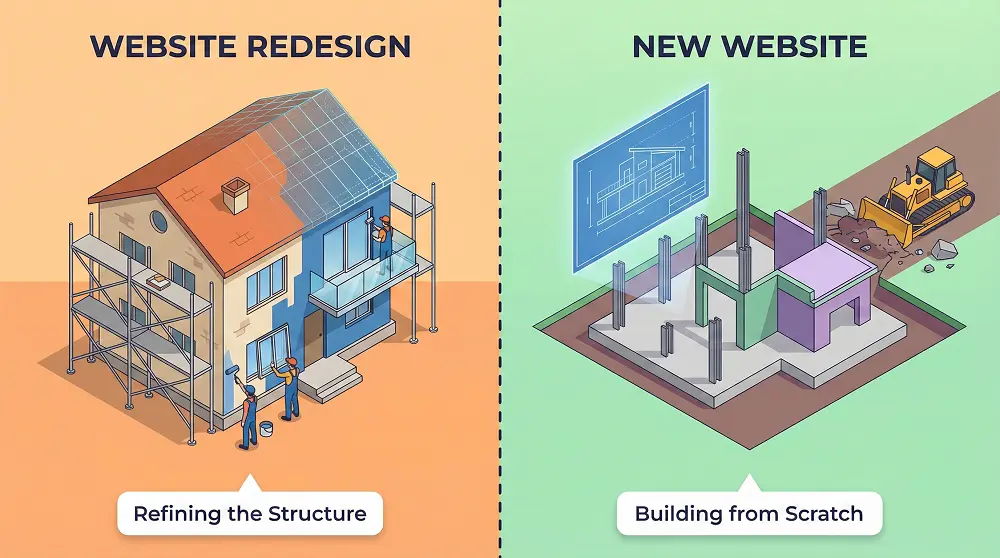
- Website Design: Design focuses on the visual elements of your site—colors, fonts, layouts, and images. Designers create mockups and prototypes to ensure your website looks professional and aligns with your brand identity.
- Website Development: Development involves turning those designs into a functional website. Developers write the code that makes your site work, including interactive features, forms, and backend systems.
Both design and development are essential for a professional website. Skipping one to save money often results in a site that looks good but doesn’t function well, or vice versa.
Is a Professional Website Worth the Investment in 2026?
A professional website is no longer optional. It’s a critical tool for building credibility, reaching customers, and growing your business. While costs vary, investing in a well-designed, functional site pays off in the long run.
Start by identifying your needs and budget. Whether you choose a freelancer, agency, or DIY platform, prioritize quality and functionality over cutting corners. A website that looks professional, loads quickly, and delivers a seamless user experience will set you apart from competitors.
Take the time to research your options, ask questions, and choose a service that aligns with your goals. Your website is an investment in your business’s future.
FAQs
What are the most common factors that increase the cost of a professional website?
Custom design, advanced features (e.g., e-commerce), and ongoing maintenance are key factors that typically raise the cost of a professional website.
Can I build a professional website on my own using DIY tools?
Yes, platforms like Wix or Squarespace allow you to build a website yourself, but it’s best for simple websites without complex features.
How much should I expect to spend on hosting and domain registration annually?
Hosting costs range from $50 to $500 per year, while domain registration costs between $10 and $50 per year.
What is the difference between website design and website development?
Website design focuses on the visual elements (e.g., layout, color schemes), while development involves the technical side, including building the functionality and coding.
Are there any ongoing costs for maintaining my website?
Yes, ongoing costs include web hosting, SSL certificates, regular maintenance, and content updates, which may cost anywhere from $50 to $500+ per month.